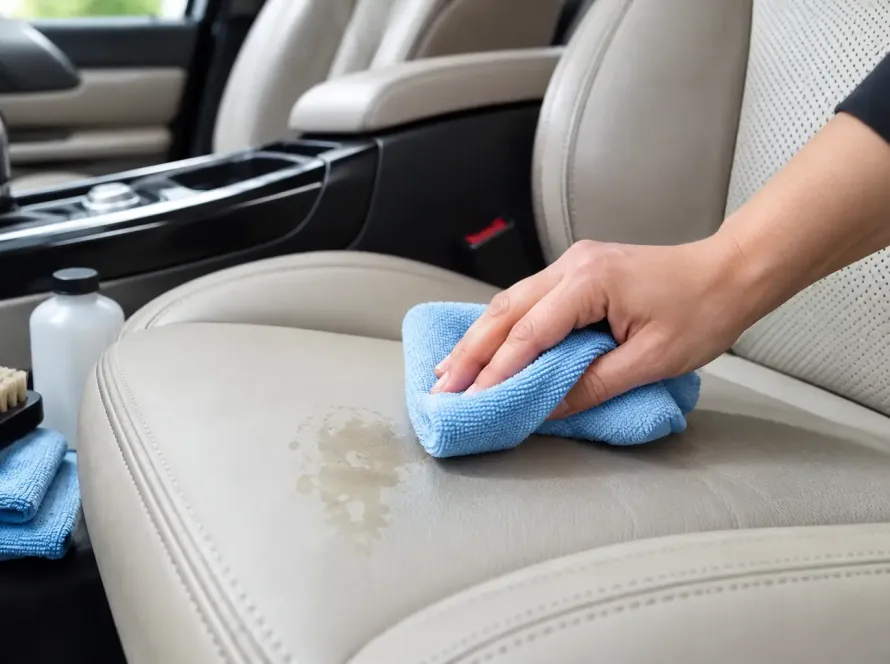
Step into a car with dusty vents, marked leather and fabric that holds yesterday’s commute, and the whole vehicle feels older than it is. That is why interior detail cleaning car services matter so much. A properly detailed cabin does more than look clean – it restores comfort, improves hygiene, protects materials and brings back the refined feel owners expect from a well-kept vehicle.
For drivers who take pride in presentation, a quick vacuum and wipe-over is rarely enough. Modern interiors combine soft-touch plastics, piano black trims, leather, Alcantara, carpet, screens and delicate switchgear. Each surface responds differently to heat, moisture, friction and cleaning products. Treat them all the same way, and the result is often patchy at best and damaging at worst.
What interior detail cleaning car really means
A standard clean removes obvious dirt. Interior detailing goes much further. It focuses on deep contamination, hidden dust, ingrained stains, surface oils, bacteria build-up and the gradual wear that dulls a cabin over time.
The difference is precision. Mats are not just shaken out – they are thoroughly cleaned according to their material. Seats are not simply wiped – they are assessed for staining, finish wear and the right cleaning method. Vents, seams, cup holders, pedals, door shuts and high-contact areas all receive attention because they are where grime builds quietly and persistently.
This is where professional detailing separates itself from a basic valet. The goal is not to make the interior look acceptable for a day. The goal is to restore a cleaner, fresher, more protected environment that holds its finish for longer.
Why the cabin deserves the same attention as the paintwork
Most owners notice paint defects quickly. Interior deterioration is subtler. It happens through repeated contact: hands on steering wheels, sun cream on seats, food spills in stitching, dust settling into vents, moisture trapped in carpets, and UV exposure fading trim.
Over time, that wear changes the character of the car. Leather can become dry and shiny in the wrong way. Fabric can hold odours. Plastics can lose their original finish. Touchscreens and gloss panels pick up fine marks that spoil an otherwise premium cabin. If left alone for too long, some of that damage becomes difficult or impossible to reverse fully.
Regular interior detailing protects against that decline. It preserves the tactile quality of materials, reduces long-term staining and helps maintain the car’s resale appeal. For daily drivers, that means a more pleasant place to spend time. For prestige and performance vehicles, it means the cabin continues to reflect the standard of the car itself.
The process behind professional interior detail cleaning car services
Good results come from method, not speed. A proper interior detail usually begins with a full inspection. This stage matters because different materials require different chemistry and different levels of agitation. Light dust on hard plastics is one thing. Embedded grime in perforated leather is another.
Dry debris is removed first, including deep vacuuming around seats, rails, under mats, in storage areas and along trim edges. Compressed air and specialist tools are often used to lift dirt from tight areas that household equipment simply cannot reach.
From there, surfaces are cleaned in a controlled sequence. Fabric seats and carpets may need stain treatment and extraction, while leather requires a gentler approach that lifts dirt without stripping natural finish. Trim panels, dashboards, centre consoles and door cards are cleaned with products chosen to remove residue without leaving greasy dressings behind.
Glass is usually one of the last major stages, because it reveals every shortcut. Smearing, haze and missed edges are common after rushed work. In a premium detail, interior glass is left clear and even, improving both appearance and visibility.
The final stage is where quality shows. Protective products may be applied to leather, fabric or trim to reduce future wear, resist staining and help surfaces stay cleaner for longer. This is not about artificial shine. It is about preserving the original finish and making maintenance easier between appointments.
Common problem areas and what they need
Not every interior ages in the same way. Family cars often suffer from food spills, muddy footwear and heavy seat use. Executive vehicles may look tidy at first glance but carry built-up oils on steering wheels, armrests and controls. Cars driven regularly in warm climates can show faster fading and dryness, particularly on leather and dashboard surfaces.
Fabric interiors usually need more than surface cleaning once staining has set in. The challenge is lifting contamination without over-wetting the material or leaving detergent trapped in the fibres. Leather presents a different trade-off. Clean too aggressively and you risk weakening the finish. Clean too lightly and body oils remain, gradually causing discolouration and wear.
Then there are the details many owners miss – the headlining, seat belt webbing, vents, pedal rubbers, gear selector surrounds and the narrow gaps around buttons and trim. These small zones influence how fresh and well-kept the whole cabin feels. When they are neglected, the interior never looks fully refined.
DIY cleaning versus specialist detailing
There is nothing wrong with basic upkeep at home. Regular vacuuming, careful dusting and quick attention to spills can make a real difference. In fact, owners who maintain their interiors between professional appointments usually preserve better long-term results.
But there is a clear limit to what DIY methods can achieve. Off-the-shelf cleaners are often too harsh, too glossy or too generic for mixed interior materials. Excess water can create problems in seat foam and carpets. Scrubbing can distort fabric or mark delicate trim. Even something as simple as using the wrong cloth on piano black surfaces can leave visible fine scratches.
Professional detailing earns its value in the areas where experience matters most – stain assessment, safe product choice, delicate material handling and finish protection. It also saves time and reduces the risk of turning a manageable issue into a costly repair.
How often should a car interior be detailed?
It depends on how the vehicle is used and what standard the owner wants to maintain. A car used daily for commuting, school runs or long-distance driving will naturally need more frequent attention than a weekend vehicle kept mostly for leisure.
For many owners, a thorough interior detail every few months is a sensible rhythm, supported by lighter maintenance in between. If the car carries children, pets or frequent passengers, the interval may need to be shorter. If it is a prestige vehicle where presentation matters at every level, consistency becomes part of protecting the investment.
Season also plays a part. Summer brings sunscreen, sweat, dust and increased UV exposure. Wetter months bring mud, moisture and odours. Timing a detail around these shifts can help prevent build-up before it settles in.
Protection is what makes the result last
Deep cleaning is only half the job. Without protection, the same surfaces quickly start collecting wear again. That is why high-level detailing focuses on restoring and defending at the same time.
Leather protection helps reduce dye transfer, surface drying and premature ageing. Fabric protection can make spills easier to manage before they become stains. UV-conscious treatments support dashboards, trims and other exposed surfaces that face constant sunlight. The best results are almost invisible – the cabin looks natural, feels fresh and stays easier to maintain.
For owners who expect their vehicle to hold its standard, this matters. A clean interior is pleasing. A protected interior stays pleasing.
Choosing the right service for your vehicle
Not every car needs the same level of interior work. Some need a maintenance detail to refresh an already well-kept cabin. Others need intensive corrective cleaning after neglect, heavy use or contamination. Knowing the difference prevents under-treating the problem or paying for work the vehicle does not need.
The right provider should assess condition honestly, explain what is achievable and work with care around every material in the cabin. Premium detailing is not about rushing through a checklist. It is about treating each vehicle on its own merits and delivering visible, lasting improvement.
That is the standard GloboWax Malta is built around – precision, craftsmanship and protection that respects the value of the vehicle as much as its appearance.
A well-detailed interior changes every drive. The door opens, the cabin feels fresher, the surfaces look sharper, and the whole car feels properly cared for again – exactly as it should.